
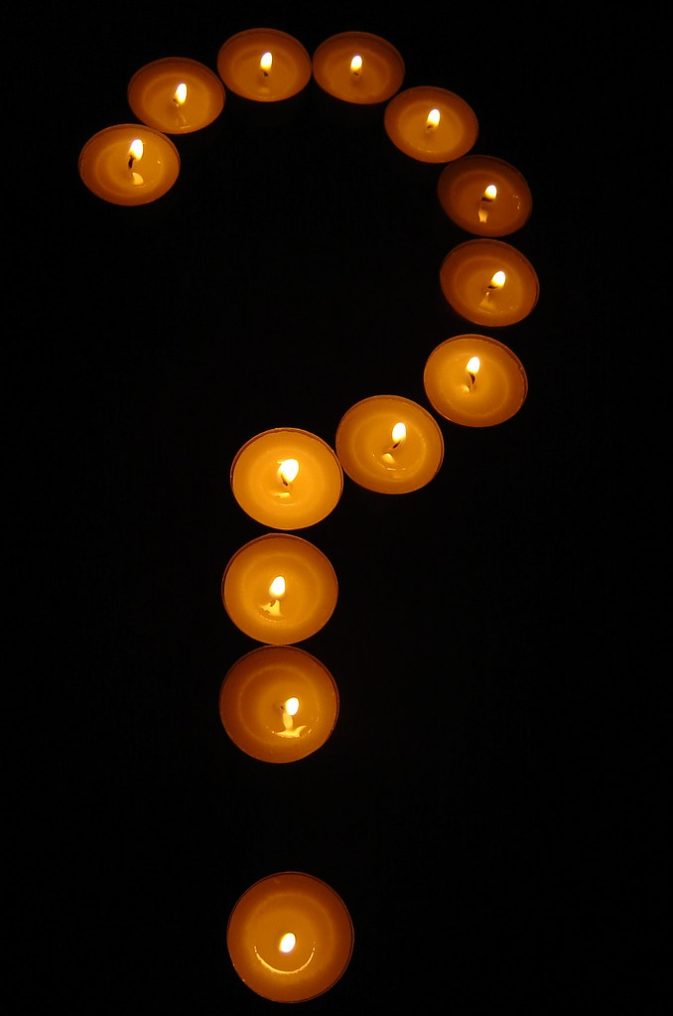
Where’s My “Alleluia?”
By Andre Audette
Masses just a month ago were ringing with the musical sounds of a joyful word: Alle…[redacted during Lent]! Now that we’ve entered into the Lenten season, though, that “A word” has been replaced with acclamations of “glory and honor” and a season of musical restraint and penitence.
The Church, in her wisdom, leads us through liturgical seasons to help us grow in our relationship to Christ. This is reflected in the atmosphere of the church. Just as Jesus fasted in the desert for forty days and forty nights to prepare for his public ministry, in the Lenten season, we “fast” from some of the normal liturgical celebrations to prepare us for our Easterly joy.
For example, our sanctuaries are bare of the living flowers that will be resurrected at the Easter Vigil. We use instruments only to support congregational singing (even engaging in more a capella singing), avoid extra musical flourishes, and strive for moments of sacred silence during the Mass. Apart from solemnities like the Feast of St. Joseph, the priests wear violet to symbolize penance and sacrifice. Later in Lent, many churches will veil their crucifixes, heightening our senses to focus on Jesus’s saving Passion and triumph over death. These little Lenten sacrifices by the Church point to the beauty and hope that is to come.
I want to invite you to another musical occasion to enter more fully into the Lenten season: our Taizé evening of prayer on March 31 at 7 pm at St. Joseph Church. We will use music to explore the same drama of Jesus’s Passion, Death, and our hope in the Resurrection.
Taizé prayer originates from an ecumenical community in Taizé, France. Catholics have been praying through their short musical pieces since the community’s founding after the Second World War. Based on texts from Sacred Scripture, the music is usually only a line or two long and is repeated several times in a meditative prayer. This allows those gathered to engage in lectio divina – a “divine reading” of God’s Word – where we contemplate Jesus’s words and actions and their significance in our lives.
We will open with a kyrie (asking for God’s mercy), then travel through Jesus washing His disciples’ feet and instituting the Eucharist, the last words of Christ, and a text often used in the Stations of the Cross devotion: “We adore You, O Christ, and we praise You. Because, by Your holy cross, You have redeemed the world.” Whether you sing often or can’t sing a note, I promise it will be a prayerful way to experience the closing weeks of Lent.
Finally, I encourage you to take a cue from the Church’s liturgical approach to Lent. How do you expend your senses for God? Is the music you listen to or the TV you watch edifying to your life in Christ? There is a wealth of beautiful Catholic music and media; perhaps consuming more of this content will lead you, this year, to a more powerful, meaningful Easter alleluia.